
Plumber in Oregon City, OR
Find the repair you needSplit pipe, blocked drain or a cold shower? A licensed Oregon City plumber can be at your door to sort it out.
Plumbing repairs for Oregon City homes
Choose the group closest to your trouble and open the repair under it. Every repair page covers likely causes, safe checks you can make yourself and the moment to hand things over to a plumber.
Pipes and water lines
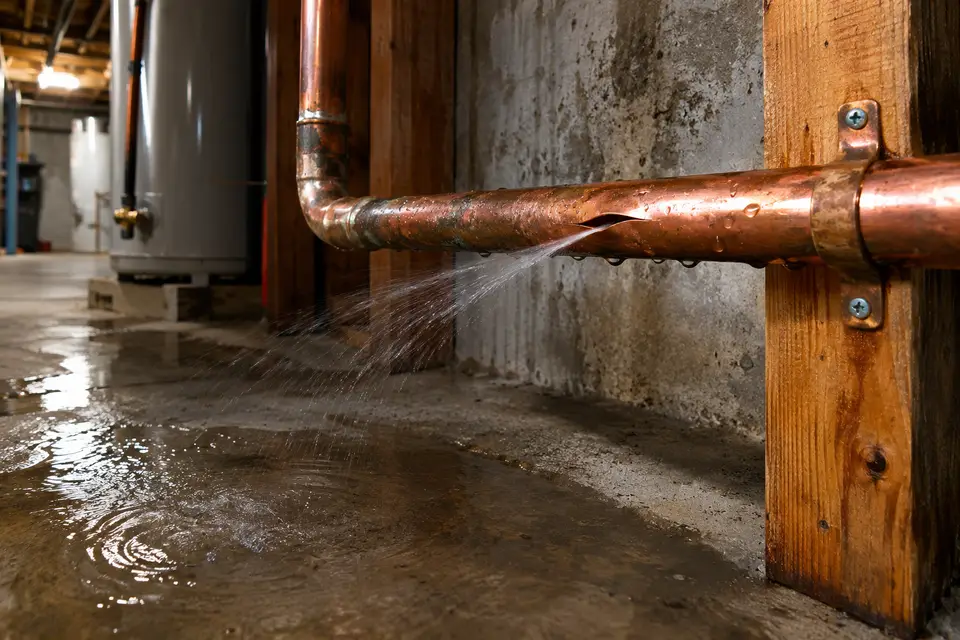 Burst pipe repairWater spraying, dripping or soaking a wall
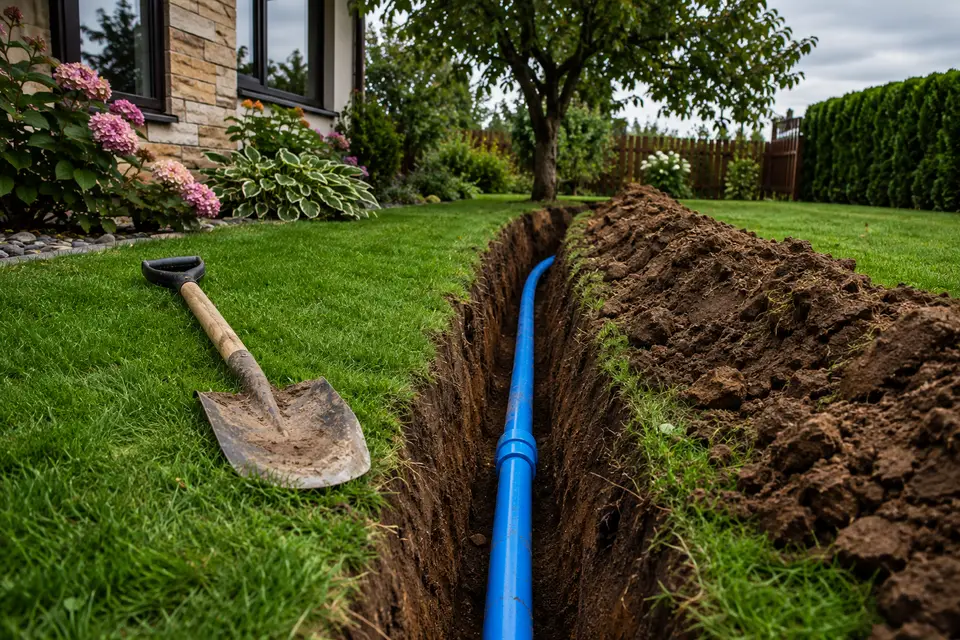 Water line repairSoggy lawn or weak pressure everywhere
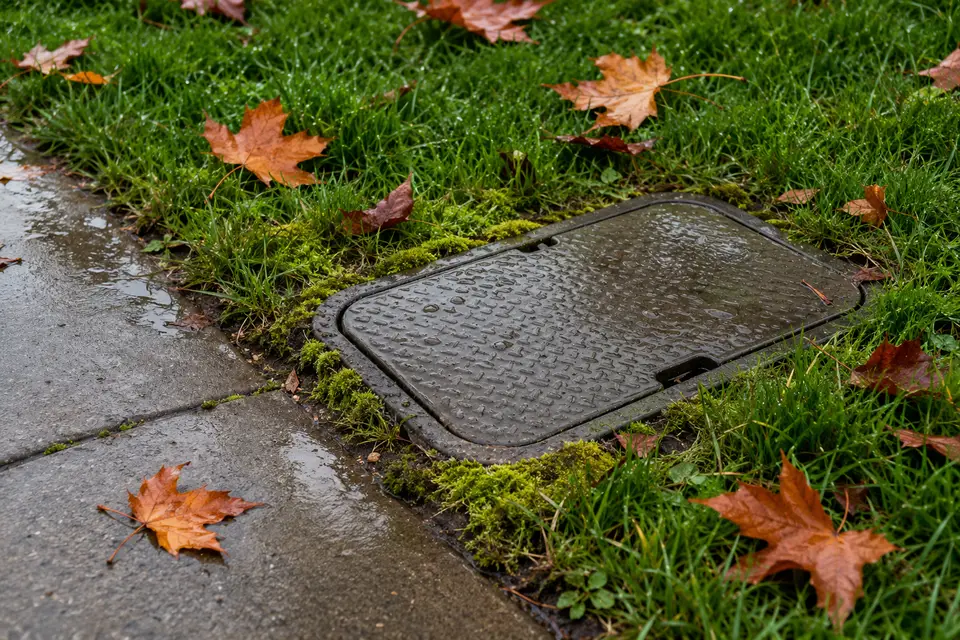 Leak detectionA meter that moves with every tap closed
Drains and disposals
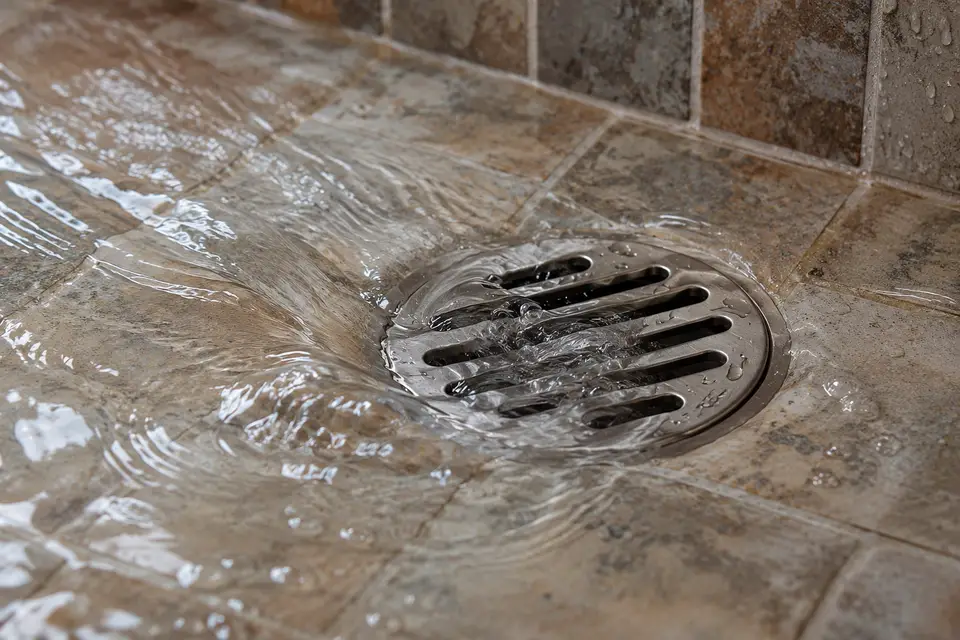 Drain cleaningStanding water in a sink, tub or shower
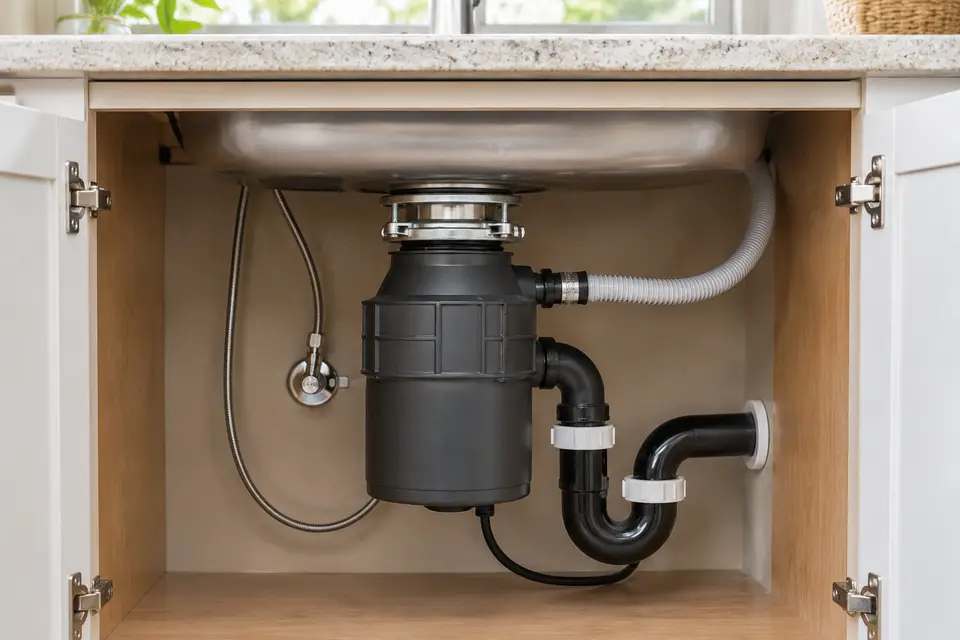 Garbage disposal repairA hum, a jam or a drip under the sink
Water heaters, toilets and faucets
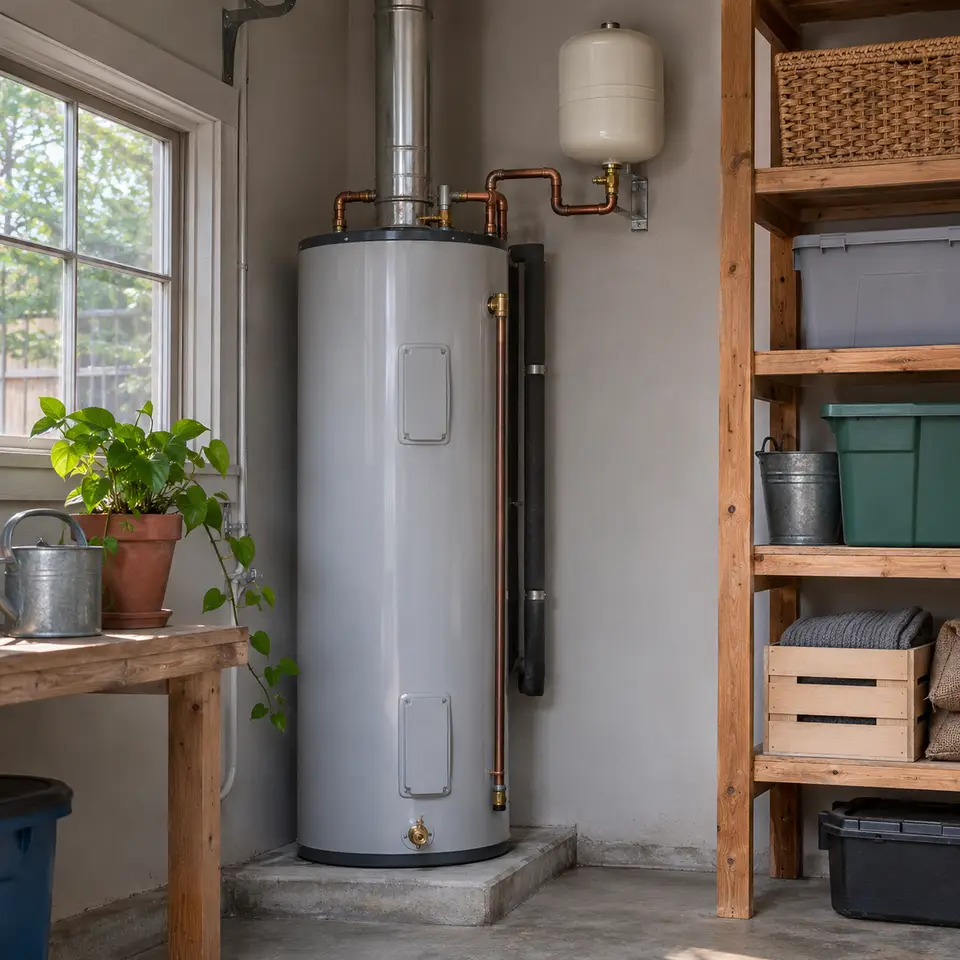 Water heater repairShort showers or water around the tank
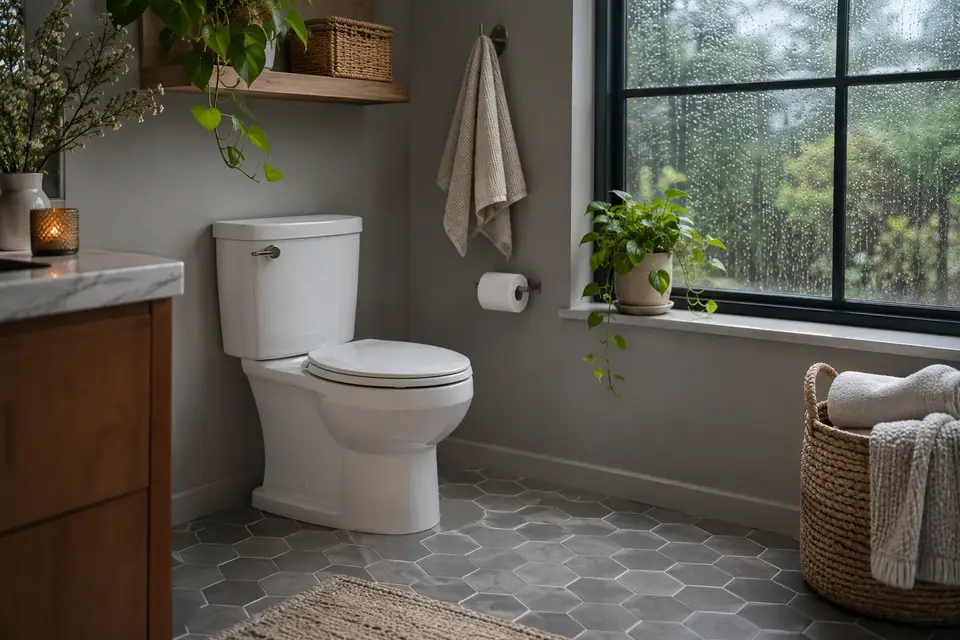 Toilet repairToilets that run on, wobble or overflow
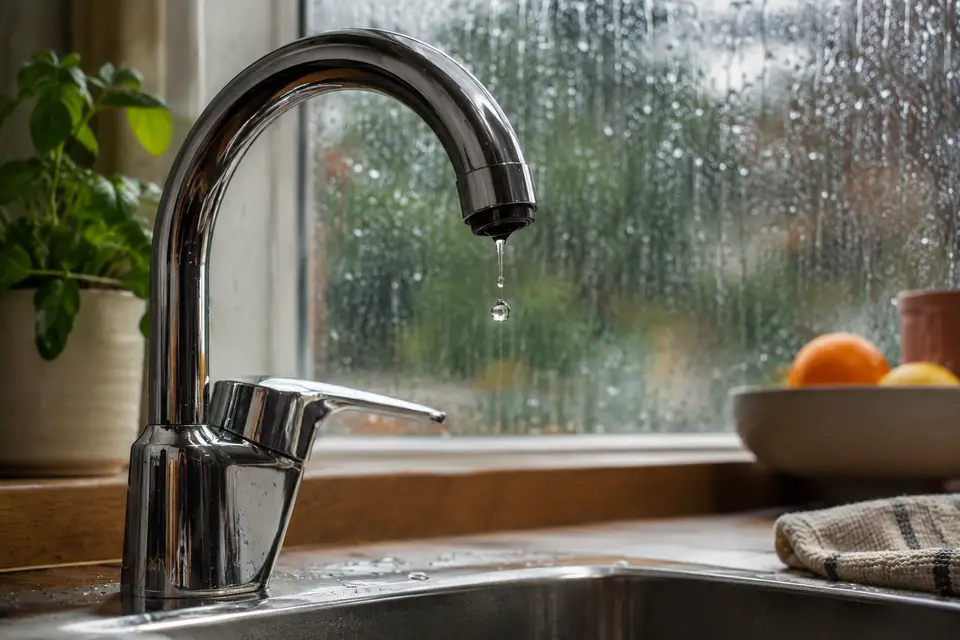 Faucet and sink repairA tap that drips or a cupboard that stays wet
Not sure which one fits? Start with the full list of plumbing services, which sorts every repair by the symptom you are seeing.
What happens when you call Plumber Oregon City
A plumbing call should feel calm and clear. Here is how it usually goes, from the first ring to the finished repair.
- Tell us what you are seeingDescribe the sound, the drip or the puddle and which room it is in. Give the street so we know where the plumber is going.
- A licensed plumber comes to the houseA local plumber in Oregon City looks at the problem in person, because most plumbing faults are hard to judge over the phone.
- You hear the options firstYou get a plain account of the fault and the fix. Ask anything you want, and nothing is touched until you give the go ahead.
- The work is tested before anyone leavesAfter a repair the plumber runs water through it, checks the joints and shows you what changed, so you know the problem is gone.
Quick checks you can make before calling
A few safe checks take two minutes and often tell the plumber exactly where to start. None of them involve opening pipes or taking anything apart.
Read the water meter
Close every tap, then look at the meter near the street. If the small dial still turns, water is escaping somewhere between the meter and your fixtures.
Look for the lowest wet spot
Water runs downhill and along pipes before it drips. The wet spot you see is often a little below and away from the actual leak.
Test the fixture valve
Most toilets and sinks have a small shutoff under them. Closing it tells you whether the leak stops at that fixture or keeps going.
Check the water heater
Look for water around the base, a pilot that is out on a gas tank, or a tripped breaker on an electric one.
Notice which drains are slow
One slow drain points to a clog near that fixture. Several slow drains at once point further down the line.
Write down when it happens
A leak that appears only during showers or only after the dishwasher runs narrows the search a great deal.
If any check feels unsafe, such as water near an outlet or a smell of gas, skip it, leave the area and call.

When you need an emergency plumber in Oregon City
A few plumbing faults grow worse with every minute, while others are fine until Monday. Unsure which one you face? Close the main valve, then phone. An emergency plumber in Oregon City can judge it with you.
Call right away
- Water spraying or pouring from a pipe or fitting
- Drips coming through a ceiling or a light fitting
- A toilet that keeps overflowing after you flush
- A smell of gas near the water heater
- No water anywhere in the house
Fine to book for another day
- A slow drain that still empties
- A faucet that drips but does not run
- A toilet that runs now and then
- Water that is warm but not hot
- A small damp patch that is not growing
Smell gas? Get everyone outside, then ring the gas utility from the yard or the street. Plumbing work waits until they say the house is safe.
When you call about an urgent problem, say so at the start and describe what the water is doing. That helps the plumber judge what to bring and how to protect the room when they arrive.
Wet winters and the plumbing under your house
Winters here are mild but wet, and months of rain leave crawl spaces and attics damp. In that kind of air a small leak blends in, and pipes and fittings you never look at slowly wear.
Look under the house twice a year
Shine a light into the crawl space in late fall and early spring. Standing water, a wet vapor barrier or a musty smell are worth a closer look.
Protect pipes before a cold snap
A hard freeze is not common here, but it does happen. Cover outdoor faucets, open cabinet doors on outside walls and keep the heat on when you travel.
Watch the water meter
Close every tap and the meter ought to stay perfectly still. If its little dial keeps creeping, water is slipping out between the street and your fixtures.
Know your shutoff valves
Find the main shutoff before you need it and make sure it turns. In a wet winter, a stuck valve is the last thing you want to discover during a leak.
A damp crawl space is not always a plumbing leak. Rain can seep in through the foundation too. A plumber can tell you whether the water is coming from a pipe, which matters because a pipe leak keeps going in dry weather.
Small signs that point to a bigger repair
Plenty of repairs begin as a small thing nobody wants to deal with. Use the table to link an early sign to its usual cause and the page that explains it.
| What you notice | What it often means | Where to read more |
|---|---|---|
| The water meter moves with every tap off | A hidden leak in a wall, under the floor or in the yard | Leak detection |
| A drain gurgles after the washer empties | A partial clog or an air problem in the drain line | Gurgling drains |
| Hot water runs out sooner than it used to | Sediment in the tank or a failing heating part | Water heater repair |
| The toilet refills on its own every few minutes | A worn flapper or fill valve letting water slip through | Toilet repair |
| A soft spot or patch of lush grass near the street | A buried supply pipe that has sprung a leak | Water line repair |
| A cabinet floor that stays damp | A loose supply line or a seeping trap under the sink | Faucet and sink repair |
Older houses and newer houses fail in different ways
Oregon City has homes from many decades, and the age of a house shapes the plumbing problems it tends to have. Knowing which group your home falls into helps you watch for the right signs.
In older homes
- Galvanized steel pipe that rusts from the inside and slowly cuts water pressure
- Cast iron drains that narrow with buildup over the years
- Original shutoff valves that stick or will not close fully
- Fixtures with worn washers and cartridges that drip
In newer homes
- Plastic supply connectors and hoses that age faster than the pipes around them
- Pressure regulators that fail and let pressure climb
- Water heaters tucked into tight closets where leaks go unseen
- Drain lines that clog from wipes and grease rather than age
Whatever the age of your house, the plumber looks at the pipe material and the fixtures before suggesting a repair, so the fix suits the home you actually have.
Plain answers before any work starts
You should never feel rushed into a plumbing repair. Your Oregon City plumber explains what failed, why it failed and what the fix involves, in words that make sense.
- You decide
- Nothing starts until you agree to the repair. If you want time to think, you can say so.
- You can look
- Feel free to ask for a look at the worn washer, cracked fitting or packed trap. Holding the old part makes the repair easier to believe in.
- You know what changed
- After the work, the plumber shows you what was replaced and how to spot the problem early if it ever returns.
If a repair can wait, the plumber will tell you that too, along with the signs that mean it should not wait any longer.
How to describe the problem on the phone
Clear details help the plumber arrive with the right parts and a good idea of where to look.
- Where it is
- Name the room and the fixture, such as the upstairs bathroom sink or the pipe above the garage door.
- What you see or hear
- Describe drips, spraying, gurgling, hissing, a smell or a stain, and whether it is getting worse.
- When it started
- Mention whether it began suddenly, after a cold night, after a new appliance went in or slowly over weeks.
- What you already did
- Say whether you closed a valve, plunged a drain or switched off the water heater, so nobody repeats it.
- How to reach the house
- Give the street, any gate or parking notes and where the plumber should knock.
Pictures are useful as well. Where it is safe, snap the leak, the stain or the label on the water heater so the plumber can see them on arrival.
Guides for Oregon City homeowners
Short, practical guides for the questions homeowners ask most, written for houses in a wet climate.
- Plumbing emergency first stepsYour first ten minutes, step by step
- Turning off the water to the houseWhere the valves are and how they turn
- Water in the crawl spaceTelling a pipe leak from rainwater
- A water meter that keeps runningA ten minute test for hidden leaks
- Gurgling drainsWhich sounds matter and which do not
- How long a water heater lastsAge, wear and the signs to watch
Every guide is in the homeowner guides section, along with a short note on when each problem needs a plumber.
Plumbing help across all of Oregon City
Calls come to us from all over Oregon City, Oregon, within the 97045 ZIP code. Share your street and, for a tricky address, a nearby landmark so the plumber finds the house first time.
Older homes, newer homes, houses with crawl spaces and houses with basements all get the same careful approach. The plumber looks first, explains second and repairs only after you agree.
If you are calling for a rental, a relative or a home you are buying, let us know who will meet the plumber and who should hear the findings. That keeps everyone on the same page.
Questions about plumbing repairs in Oregon City
Calling and visits
What should I say when I call?
Describe the sight, sound or smell, the room and about when it began. Add anything you tried already, like shutting a valve or plunging a sink, so the plumber turns up prepared.
Does somebody have to be at the house?
Yes. An adult needs to open the door, show the plumber the trouble and approve any work. If you are tied up, a trusted neighbor or relative can stand in for you.
Is the plumber licensed?
Yes. Whoever arrives is a licensed plumber in Oregon City, doing their work right here.
Can I ask questions before agreeing to a repair?
Please do. You will hear what broke and the ways to fix it, and every question is welcome before you decide. Work begins only on your word.
Repairs and parts
Will the plumber fix the problem on the first visit?
Lots of everyday jobs, from a running toilet to a dripping tap or a blocked sink, wrap up in a single trip. Bigger work or unusual parts may need longer, and you will hear the plan.
Can I see the old part after a repair?
Yes, just ask. Looking at the worn part shows why the trouble started and what to watch for if it ever comes back.
Is an aging water heater worth fixing?
It depends on the age of the tank and what failed. A worn heating part on a younger tank is usually worth repairing. A leak from the tank itself means replacement. Our water heater guide explains the signs.
Around the house
Where is my main water shutoff?
Around here it tends to sit in the garage, a utility room or the crawl space, wherever the supply pipe comes in. A second valve lives at the meter by the street. The shutoff guide listed above explains where to search.
Why is my crawl space wet?
It can be rainwater seeping in, condensation or a leaking pipe. A pipe leak usually keeps the ground wet even after a dry spell. The crawl space guide explains how to tell them apart.
How do I protect pipes when a freeze is coming?
Cover outdoor faucets, disconnect garden hoses, open sink cabinets on outside walls and keep the heat on. If a pipe does freeze, do not use an open flame to thaw it.
Why does my drain gurgle?
That noise is air forcing its way through the water in a trap, usually because the line is half blocked or the vent cannot breathe. The gurgling drains guide listed above sorts harmless sounds from warning signs.
What can I pour down the kitchen sink?
Water, mild soap and small food scraps if you have a working disposal. Grease, coffee grounds, rice and fibrous peels build up in the line and cause many kitchen clogs.
Before and after the repair
Is a chemical drain opener worth trying first?
We would leave the bottle on the shelf. Strong chemicals can eat at older pipes and make the job unsafe for the plumber if the clog does not clear. A plunger or a drain snake is safer for a simple clog.
How can I keep a repair from coming back?
Ask the plumber what caused the problem. A worn part simply wears out, but causes such as high water pressure or grease in a drain can return unless they are dealt with too.
How often does a tank need flushing?
Once a year is a good habit for most tank heaters. Flushing clears sediment that makes the tank noisy and slow to heat. Our water heater guide, listed above, covers the signs of wear.
Can a dripping faucet be repaired or does it need replacing?
A drip nearly always traces back to a tired washer, seal or cartridge, so the faucet can usually stay. A new one only makes sense if the body has cracked or parts have been discontinued.
My toilet refills on its own. Why?
Refilling every so often is usually leaking water from the tank into the bowl through a worn flapper. It wastes a surprising amount of water, and the repair is usually quick.
Do you work on the main sewer line?
No. We handle the household drains inside and around your home. Work on the main sewer line under the yard is a separate job.
Can a plumber help with low water pressure in the whole house?
Yes. Pressure that dropped everywhere at once tends to mean a buried line leak or a failing pressure regulator, while pressure that faded over years can mean old galvanized pipe. The plumber tests to find which one.
Is there anything to prepare before the plumber comes?
Make a clear route to the problem, take everything out of the cupboard under a leaking sink and settle pets in another room. If the water is off, fill a few jugs for drinking and washing.
Can you fix a leak under the kitchen sink?
Yes. Most leaks there come from a loose trap nut, a worn supply line or the disposal seals, and each is a quick repair. Put a bowl under the drip until the visit.
Can I call if I rent my home?
Yes. Stop the water first, then tell your landlord, since many leases ask for that. Either of you can call us to arrange the repair.